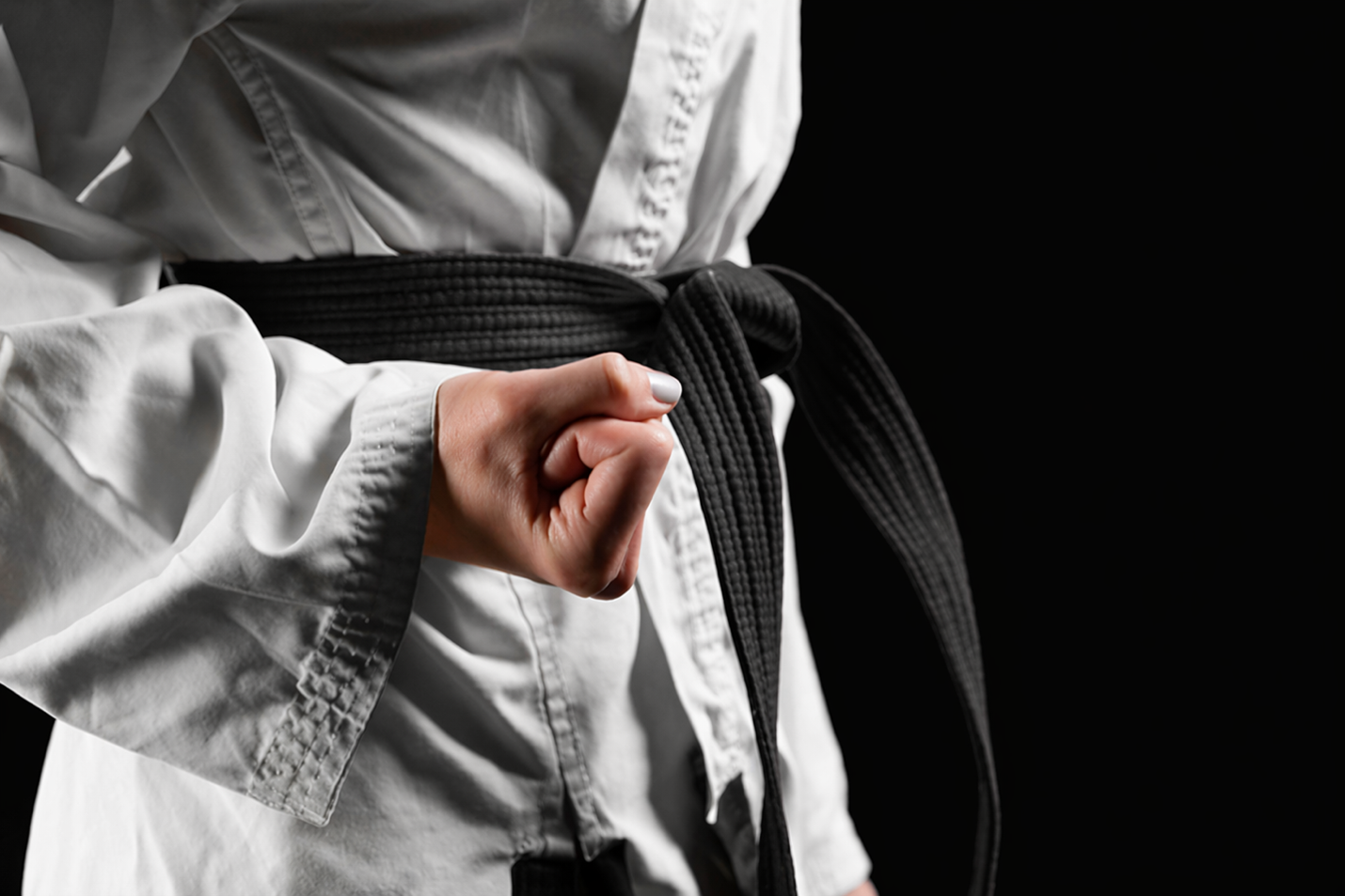
In high-stakes litigation, Travis Sayre approaches cross-examination not as a battle of force but as a process of control. Much like in Judo, where success depends on timing, balance, and the ability to redirect energy rather than overpower it, effective cross-examination relies on guiding pressure rather than escalating it.
At first glance, the courtroom and the mat may seem unrelated. One is governed by legal procedure, the other by physical discipline. Yet both environments operate under a shared principle: direct confrontation is rarely the most effective path to control.
- Force often invites resistance
- Aggression can disrupt precision
- Overcommitment creates vulnerability
In both disciplines, success depends on understanding how to use what is already present.
Reframing Cross-Examination: From Confrontation to Control
Cross-examination is often misunderstood as an aggressive exchange, where dominance is achieved through pressure and intensity. While confrontation is inherent, unstructured force can quickly become counterproductive.
Witnesses who feel attacked may:
- Become defensive or evasive
- Resist engagement
- Shift focus away from the substance of questioning
This dynamic can dilute the effectiveness of even well-prepared lines of inquiry.
A more controlled approach focuses on direction rather than force. Instead of overpowering the witness, the goal becomes guiding the interaction in a way that reveals inconsistencies, clarifies details, and shapes perception.
The Judo Principle: Using Momentum Instead of Opposing It
Judo is built on a foundational concept: do not resist force directly. Instead, absorb and redirect it.
In a courtroom setting, this translates into how responses are handled. A witness may present:
- Evasive answers
- Overly detailed explanations
- Emotional reactions
Attempting to shut these responses down forcefully can escalate tension. Redirecting them, however, allows the interaction to remain controlled.
- An evasive answer can be narrowed down through precise follow-up
- Excessive detail can be reframed into a clear point
- Emotional responses can be met with composure, not escalation
The objective is not to stop momentum, but to guide where it leads.
Balance and Positioning in Questioning
In Judo, balance determines control. A competitor who maintains balance can respond effectively, while one who overextends becomes vulnerable.
The same principle applies to cross-examination.
Maintaining balance means:
- Staying composed regardless of the witness’s tone
- Avoiding emotional reactions to unexpected answers
- Keeping questions structured and intentional
Losing balance often occurs when questioning becomes reactive rather than strategic.
- Pursuing every inconsistency without prioritization
- Interrupting in ways that disrupt flow
- Allowing frustration to influence delivery
Control is maintained not by increasing intensity but by preserving structure.
Timing as a Strategic Advantage
Timing is central to both Judo and effective questioning. Acting too early or too late can weaken the impact of an otherwise strong position.
In cross-examination, timing influences:
- When to press a point
- When to move on
- When to allow silence
Well-timed pauses can be as powerful as well-phrased questions. They create space for:
- The weight of an answer to settle
- Inconsistencies to become apparent
- Jurors to process what has been revealed
Rushed questioning, by contrast, can obscure clarity and reduce impact.
Precision Over Volume
In controlled environments, effectiveness is rarely about how much is done but how precisely it is executed. Cross-examination follows this principle closely.
Excessive questioning can:
- Dilute key points
- Introduce unnecessary complexity
- Provide opportunities for recovery
Precision, on the other hand, allows each question to serve a purpose.
- Focused questions highlight specific inconsistencies
- Clear structure maintains narrative direction
- Intentional sequencing builds cumulative impact
Like a well-executed technique, a precise question requires minimal force but produces a clear result.
Managing Resistance Without Escalation
Resistance is a natural part of cross-examination. Witnesses may attempt to deflect, reinterpret, or expand beyond the scope of the question.
Escalating in response often reinforces that resistance.
A controlled approach involves:
- Narrowing the scope of the question
- Repeating key phrasing to maintain focus
- Allowing the structure of questioning to guide the exchange
This creates a dynamic where resistance becomes less effective over time.
- Broad answers are redirected into specific points
- Deflection is limited by structured repetition
- The narrative remains intact despite opposition
Control is achieved not by suppressing resistance, but by limiting its impact.
Emotional Neutrality as a Form of Strength
In both Judo and courtroom dynamics, emotional neutrality is a stabilizing force. It prevents overreaction and maintains clarity under pressure.
Emotional escalation can:
- Shift focus away from the substance of questioning
- Influence how jurors perceive the interaction
- Disrupt the rhythm of the exchange
Neutrality, by contrast, reinforces control.
- It signals confidence and preparation
- It reduces unnecessary tension
- It allows the questioning to remain the focal point
This does not mean removing all emotion, but aligning it with purpose rather than reaction.
The Role of Structure in Sustained Control
Structure acts as a framework that supports consistency throughout cross-examination. Without it, questioning can become fragmented and less effective.
A structured approach includes:
- Clear objectives for each line of questioning
- Logical sequencing of questions
- Defined transitions between topics
This allows the interaction to build progressively rather than scatter across unrelated points.
When structure is maintained:
- Each answer contributes to a larger narrative
- Key themes are reinforced over time
- The overall direction remains clear
Redirecting Rather Than Forcing Outcomes
One of the most important parallels between Judo and cross-examination is the understanding that outcomes are not forced—they are created through positioning and timing.
Attempting to force a conclusion can:
- Reveal intent too early
- Create resistance
- Undermine credibility
Redirecting, however, allows the conclusion to emerge naturally.
- The sequence of questions builds toward a point
- The witness’s own responses contribute to that point
- The narrative develops without overt pressure
This approach strengthens both clarity and credibility.
From Technique to Strategy: Integrating the Principles
While individual techniques are important, their effectiveness depends on how they are integrated into a broader strategy.
Effective cross-examination combines:
- Control of pacing
- Precision in questioning
- Awareness of timing
- Consistent structure
Together, these elements create an environment where pressure is managed rather than imposed.
- Momentum is guided, not resisted
- Resistance is contained, not escalated
- Outcomes are shaped, not forced
Final Reflection: Control Over Force
Cross-examination is often viewed through the lens of confrontation. While conflict is inherent, control determines its effectiveness.
In disciplines like Judo, success is not defined by strength alone but by the ability to understand movement, timing, and balance. The same principles apply in the courtroom.
- Control creates clarity
- Timing creates impact
- Structure creates consistency
Force, when used without control, can weaken these elements. When guided effectively, however, pressure becomes a tool rather than a liability.
The goal is not to dominate the exchange but to direct it. And in that direction, the most effective outcomes are often achieved.
Disclaimer: Results are never guaranteed.