
Courtroom adaptability is one of the most valuable yet often overlooked skills in trial advocacy.
Blog
The Quiet Discipline Behind Effective Trial Advocacy: Why Patience Often Wins More Than Aggression

While confidence remains an essential characteristic of experienced trial lawyers, patience frequently provides the foundation for sound courtroom strategy.
Why Every Criminal Case Deserves Its Own Strategy, Not a Standard Playbook

Every case presents a unique combination of facts, evidence, witnesses, and legal questions that require careful individual analysis.
Why Effective Cross-Examination Requires Preparation, Not Aggression

Effective cross-examination requires preparation, not aggression, because successful questioning depends on understanding the facts, anticipating challenges, and communicating clearly under pressure.
Why Credibility Is Often the Most Valuable Asset in a Trial

For trial lawyers, building credibility requires preparation, consistency, professionalism, and attention to detail.
What Trial Lawyers Learn From Cases That Never Reach a Verdict

While courtroom verdicts may receive the most public attention, some of the most meaningful professional lessons occur behind the scenes.
Why Jury Perception Often Shapes Criminal Trials More Than Legal Complexity

In many criminal cases, the ability to communicate clearly and establish credibility becomes just as important as legal strategy itself.
Why Early Case Preparation Can Influence Criminal Defense Outcomes Long Before Trial

Early preparation creates opportunities to identify risks, preserve evidence, and establish strategic direction before complications multiply.
Cross-Examination as Controlled Conflict: What Judo Teaches About Redirecting Pressure in the Courtroom
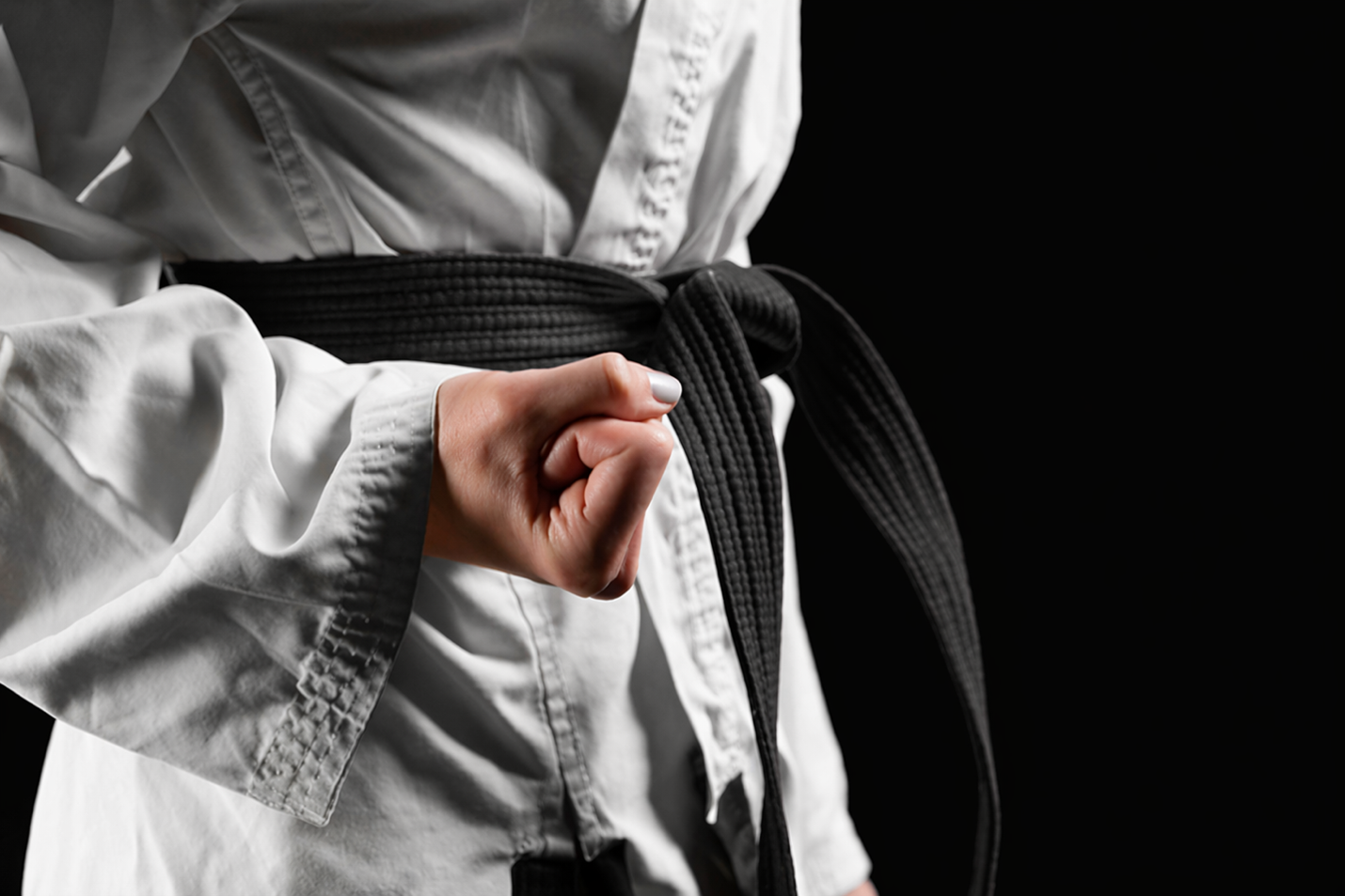
Cross-examination is often viewed through the lens of confrontation. While conflict is inherent, control determines its effectiveness.
Cross-Examination as Controlled Conflict: What Judo Teaches About Redirecting Pressure in the Courtroom

In disciplines like Judo, success is not defined by strength alone but by the ability to understand movement, timing, and balance.